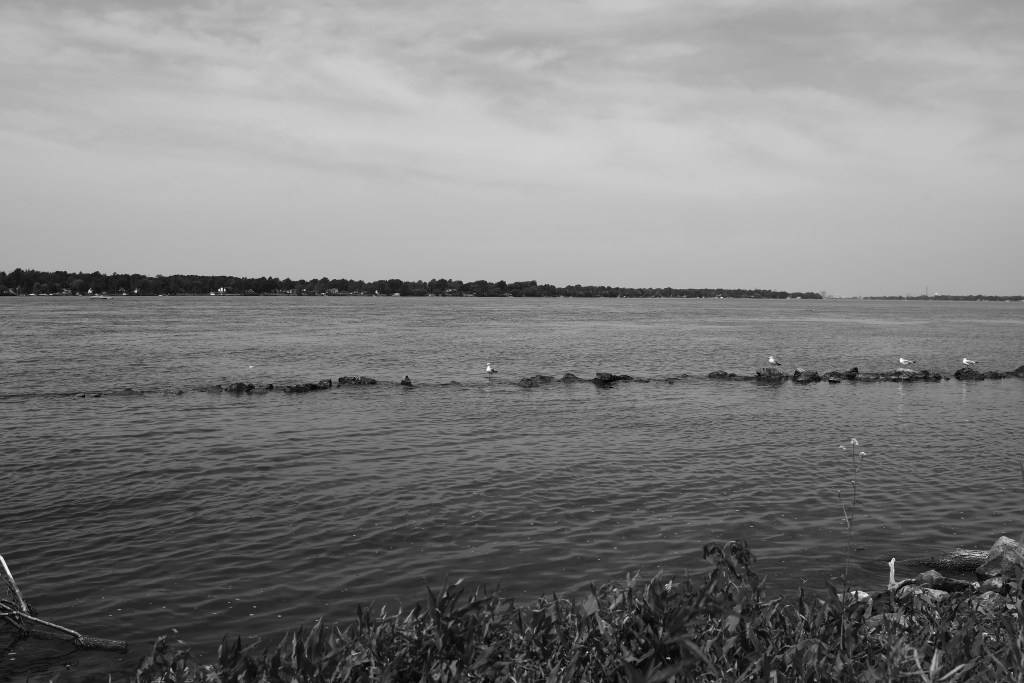
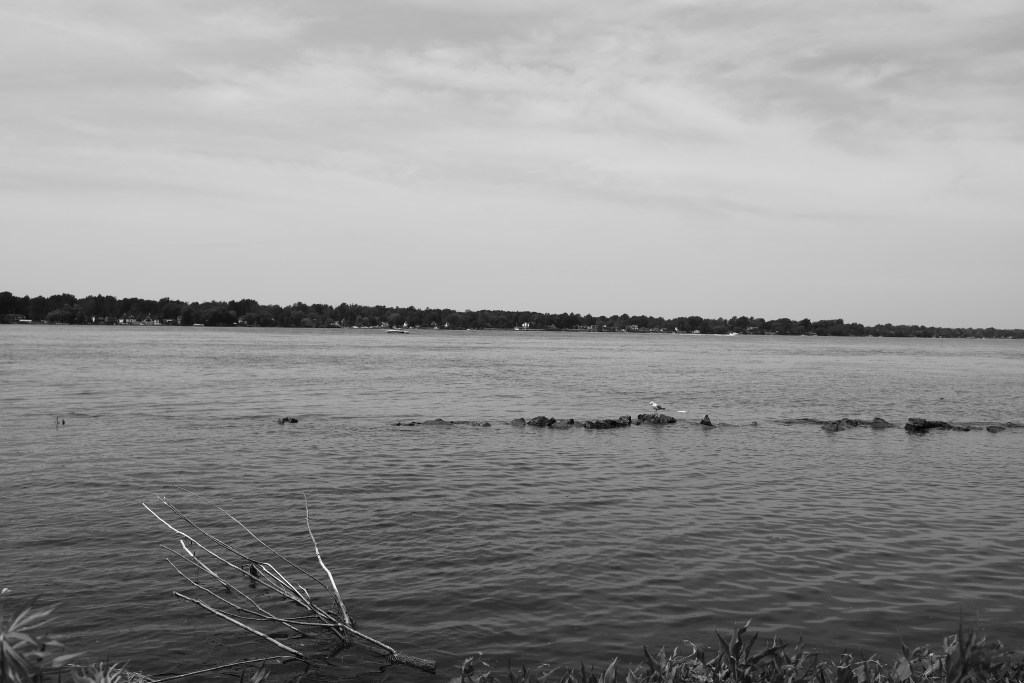
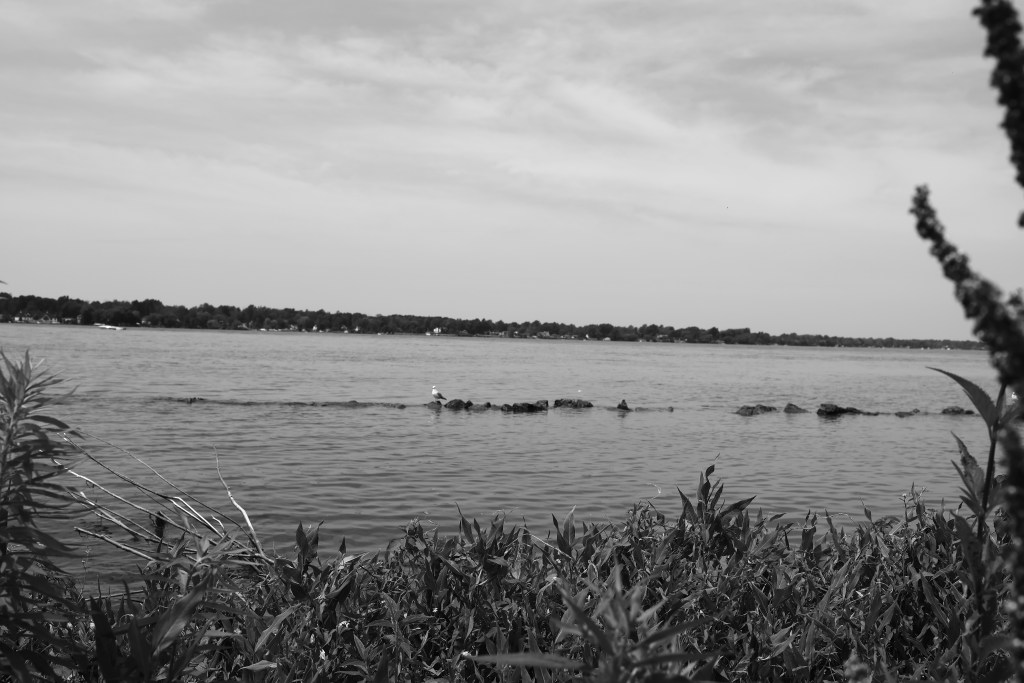
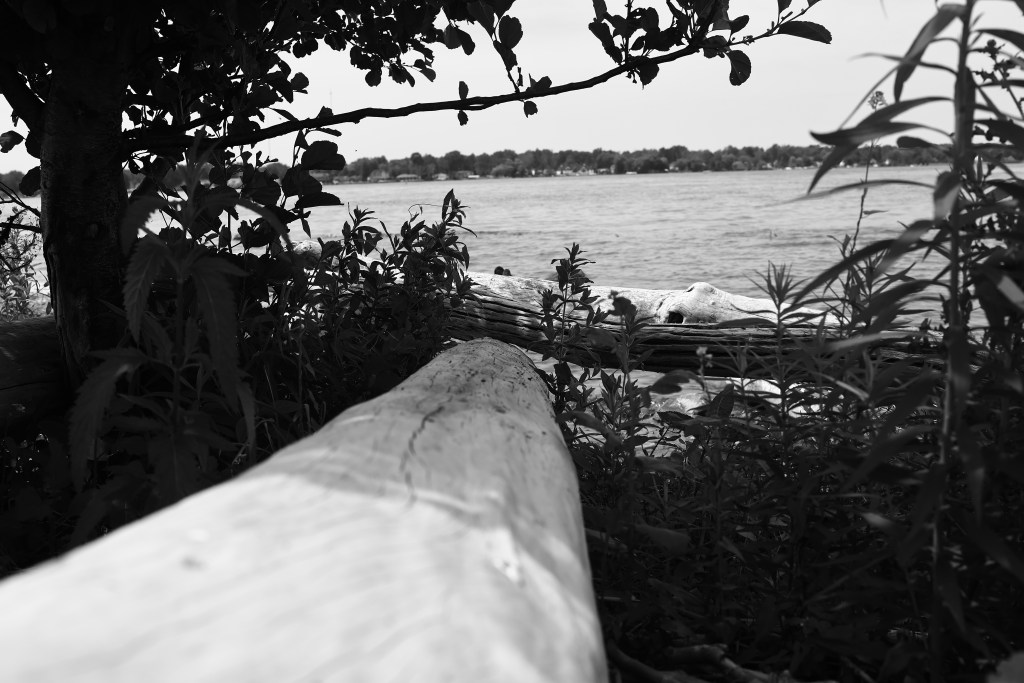
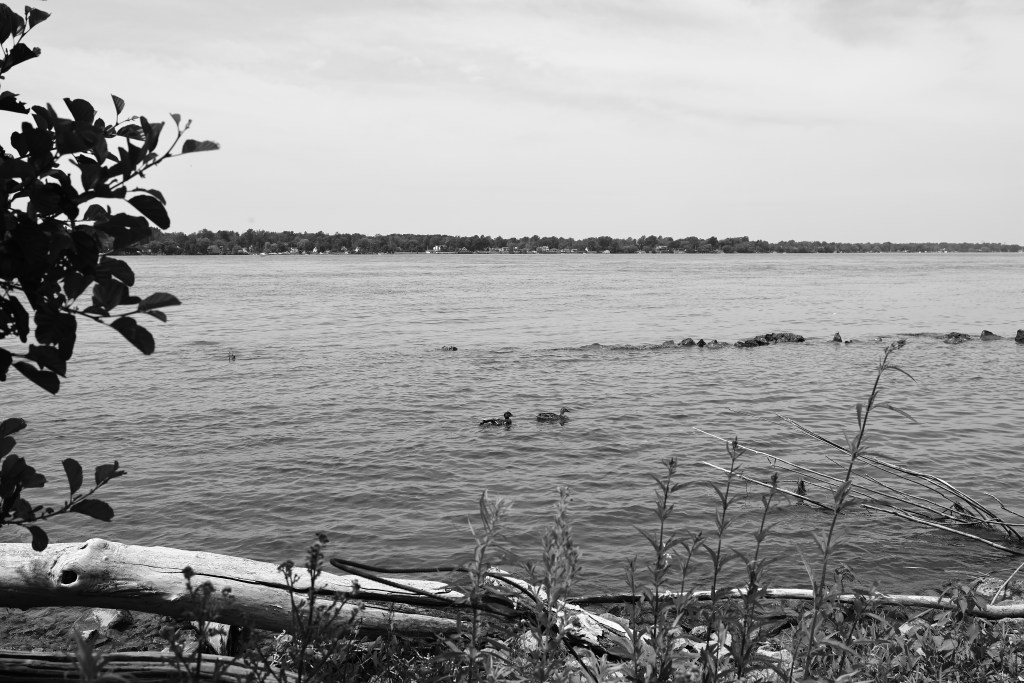
The Niagara River is a natural wonder that has been attracting visitors for centuries. The river flows north from Lake Erie to Lake Ontario, and is home to some of the most spectacular waterfalls in the world. But the Niagara River is more than just a tourist destination. It is also a vital waterway that has played an important role in the history of North America.
The Niagara River was formed over 12,000 years ago, when the last Ice Age ended. As the glaciers melted, they released a massive amount of water that flowed into the Niagara River Valley. The force of this water carved out the Niagara Escarpment, a steep cliff that forms the backdrop for Niagara Falls.
The first people to live in the Niagara River Valley were hunters known as the Clovis people. They are characterized by the manufacture of “Clovis point” arrowheads and distinctive bone and ivory tools, and are represented by hundreds of sites across North America, from which more than 10,000 Clovis points have been recovered.
In the 17th century, the first Europeans arrived in the Niagara River Valley. These included French explorers, missionaries, and fur traders. The French quickly realized the strategic importance of the Niagara River, and they built a series of forts along the river to protect their interests.
In the 18th century, the Niagara River became a major battleground during the French and Indian War and the American Revolution. The British and American armies fought several battles along the river, and the Niagara River was a key supply route for both sides.
After the American Revolution, the Niagara River became a border between the United States and Canada. The river has been a peaceful border for over 200 years, and is now one of the most popular tourist destinations in North America.
The Niagara River is also a vital waterway that has played an important role in the history of North America. It is a source of water, power, and transportation. The Niagara River is a natural wonder that is sure to continue to amaze and inspire people for generations to come.
Here are some additional facts about the Niagara River:
-The Niagara River is 56 miles (90 kilometers) long.
-The average flow rate of the Niagara River is 600,000 cubic feet per second (17,000 cubic meters per second).
-The Niagara River is home to three waterfalls: Horseshoe Falls, American Falls, and Bridal Veil Falls.
-Horseshoe Falls is the largest waterfall in North America by volume.
-Niagara Falls is one of the most visited tourist destinations in the world.
-The Niagara River is a major source of hydroelectric power.
-The Niagara River is a popular spot for whitewater rafting and kayaking.
 It's a FASHIONED world